Words & things from the Philippines

Just now, I watched an episode of 'I love Filipino' on Netflix, just to see if there’s anything interesting I could learn before my Manila trip. It is a documentary series celebrating aspects of Filipino culture, and the episode I watched was the first one, which is about Filipino food.
While watching, I started writing down some words to look up, which, as a I went on to browse the web, became a bit of a list. An arbitrary collection of words and names, mostly food related, some related to the episode, some that I found serendipitously.
I decided to write a short entry about each of them, for the purpose of learning.
Altanghap
Altanghap is a word made up of 3 words in Tagalog:
- al-: almusal ("breakfast")
- -tang-: tanghalian ("lunch")
- -hap: hapunan ("dinner")
It is a single meal eaten for the entire day (usually eaten at noon). Historically, it was something people would have because food was expensive or scarce. Nowadays, people will usually have multiple meals a day.
Magellan
Ferdinand Magellan was the Portuguese explorer who travelled the Atlantic, made it around South America, across the Pacific ocean back to Asia. His goal was the Moluccas, then called the Spice Islands, current Indonesia, but he ended up in the island group that was to become the Philippines. He spent about 5 weeks crusading for power and spreading the Christian faith, after which he was killed in battle in Cebu.
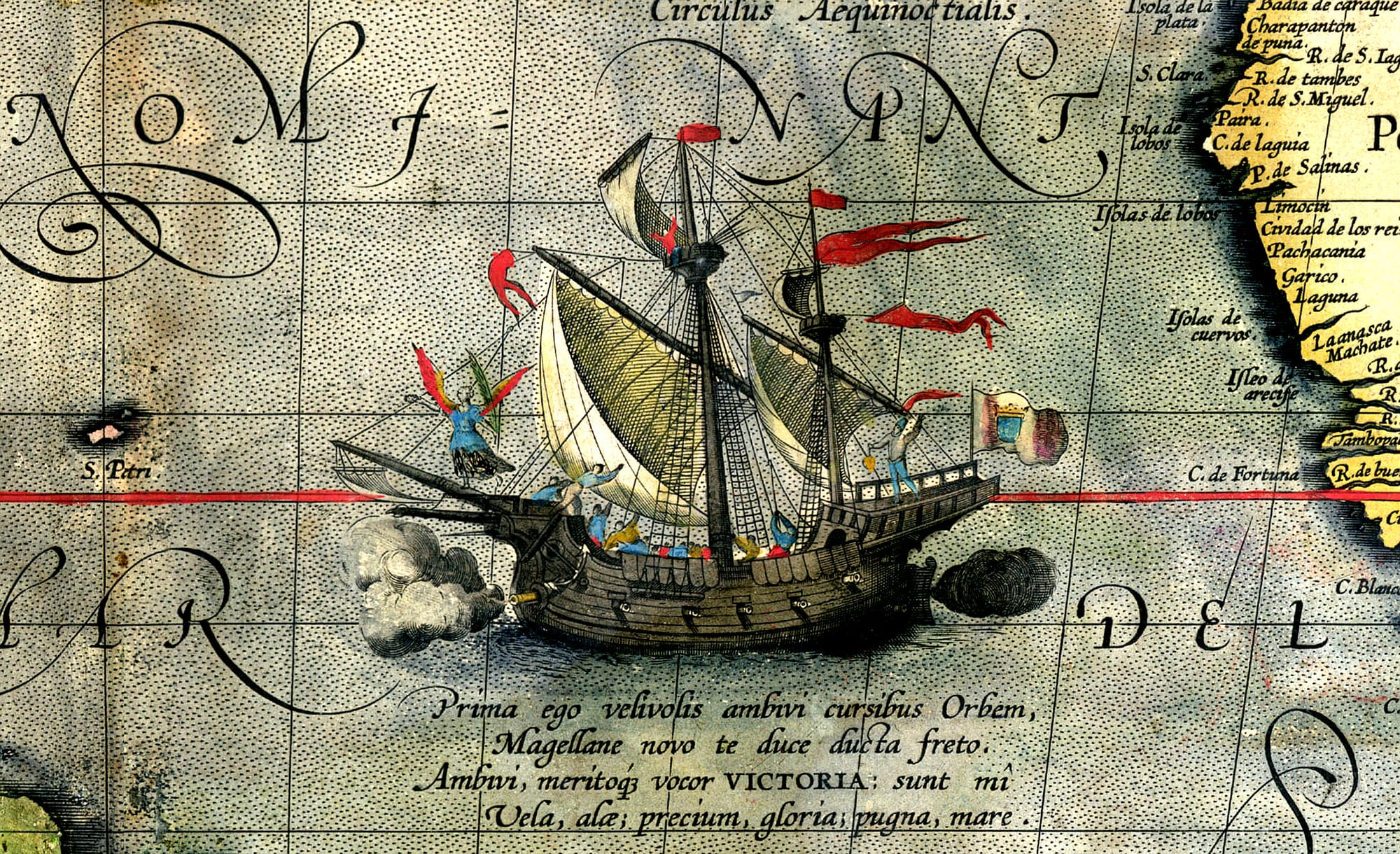
?ref=ghost.bert.fyi#/media/File:Detail_from_a_map_of_Ortelius_-_Magellan's_ship_Victoria.png)
Santo Niño
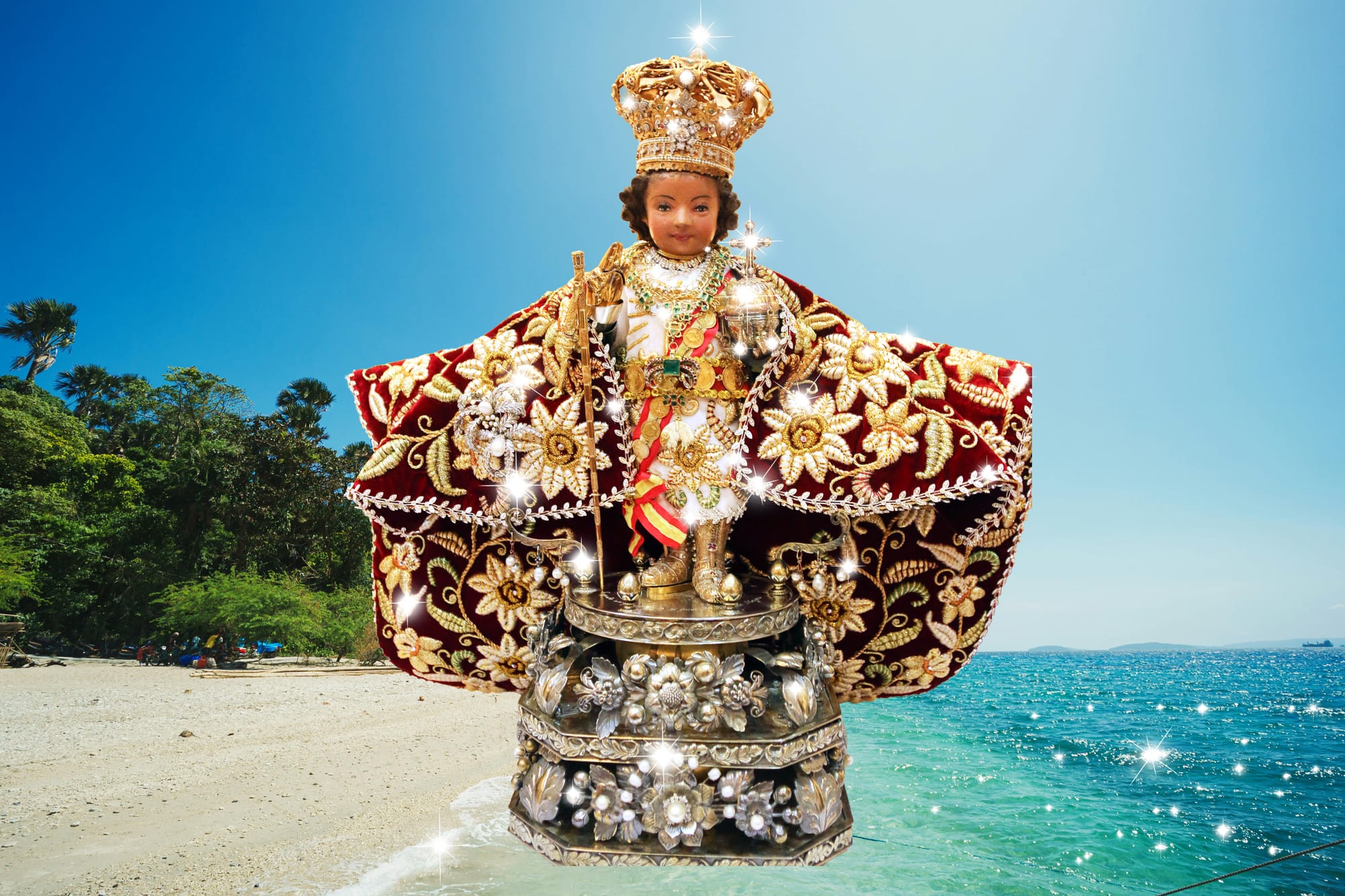
The Santo Niño is a small statue, brought to the Philippines by Magellan. In April 1521 – after converting Rajah Humabon of Cebu — he presents the it as a gift to the Rajah's wife, Hara Humamay.
Icko shared it with me before, and I was captivated by its image: baby Jesus, dressed up as a king, his vermillion robes clad in gold thread and exceeding many times the supposed size of his body. There is something baffling about the inherent paradox, the retroactive attribution of kingship to a mere baby. The opulent style is something that I particularly love about Catholic art.
The Santo Niño is one of the most important religious icons for Filipino Catholics. It serves as a symbol of Filipino Catholic faith, humility, and protection.
Nowadays, the Santo Niño has its home in the Basilica Minore del Santo Niño in Cebu City.
Velarde Map
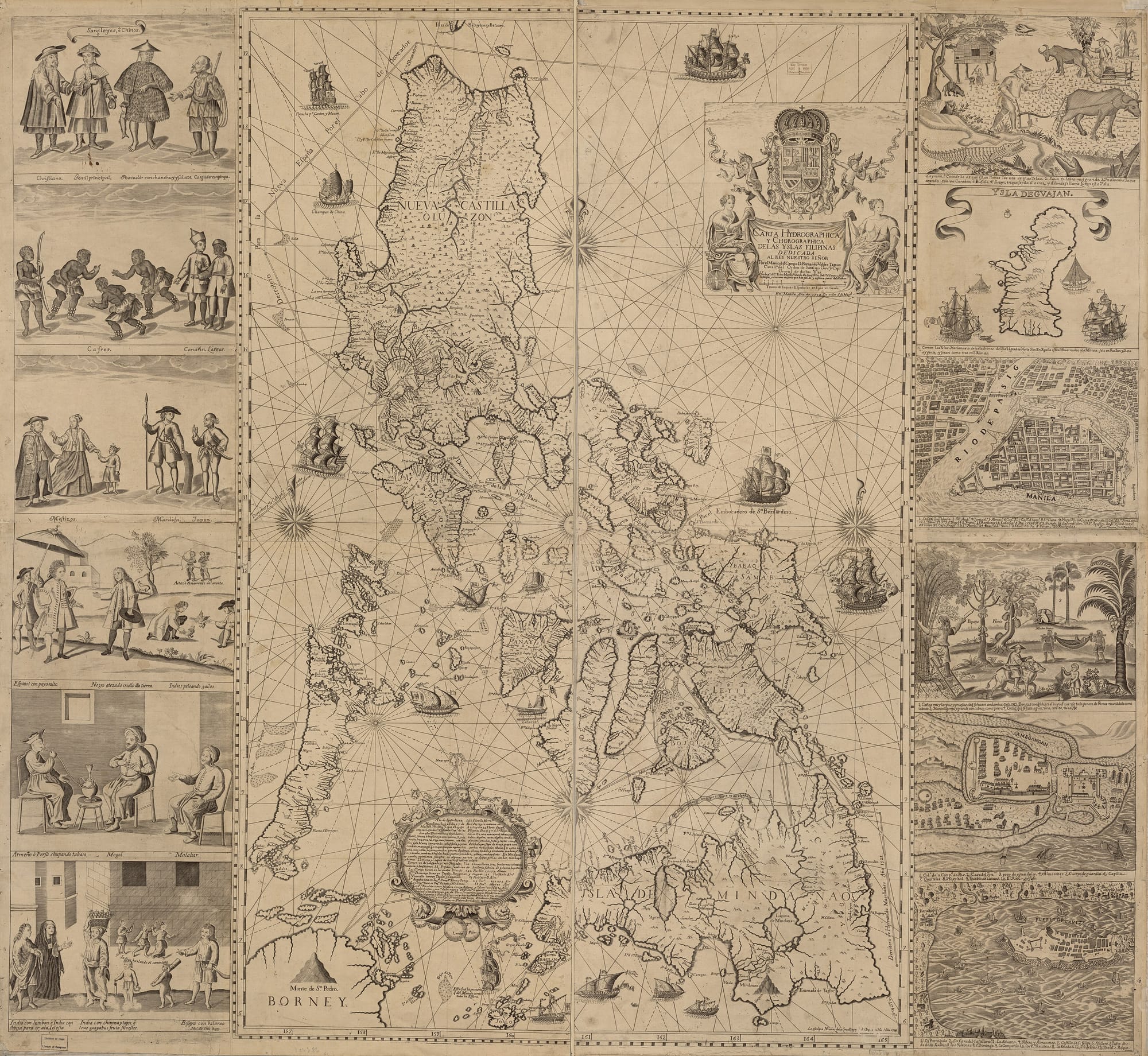
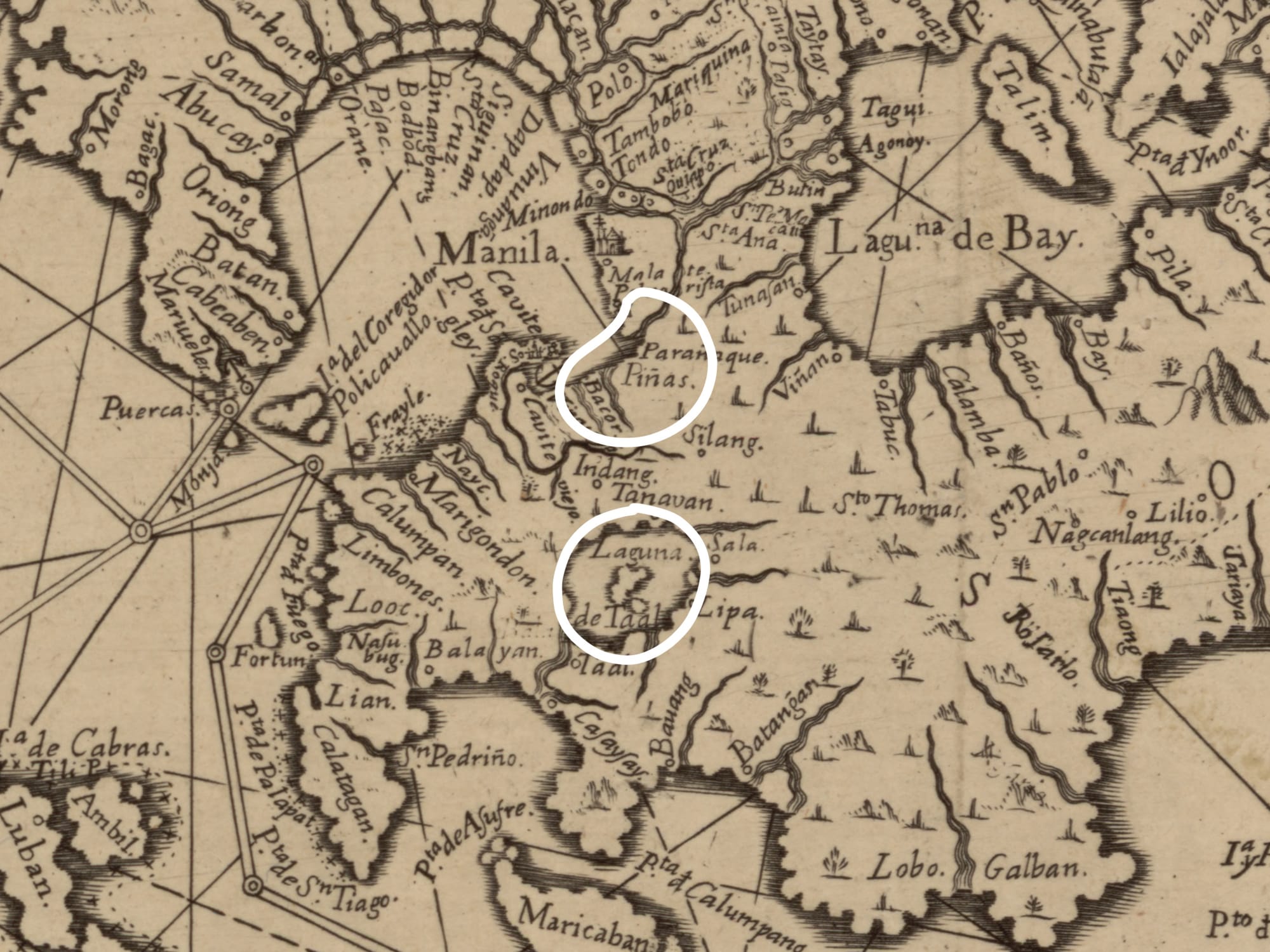
The Velarde Map is historical map of the Philippines published in 1734 by the Spanish cartographer Pedro Murillo Velarde. I came across it on Wikipedia, and upon opening the full image of the map, my computer crashed for a few seconds because of its size. The map is enormous and impressively detailed, adorned with a series of illustrations on both sides.

Pigafetta
Antonio Pigafetta was Magellan's right hand. He was the first to journal extensively about Filipino food, his description of Kinilaw being featured in the aforementioned episode of 'I love Filipino'.
Kinilaw
Fresh raw fish or meat “cooked” without heat in vinegar and/or citrus juices. Comparable to Latin-American ceviche.
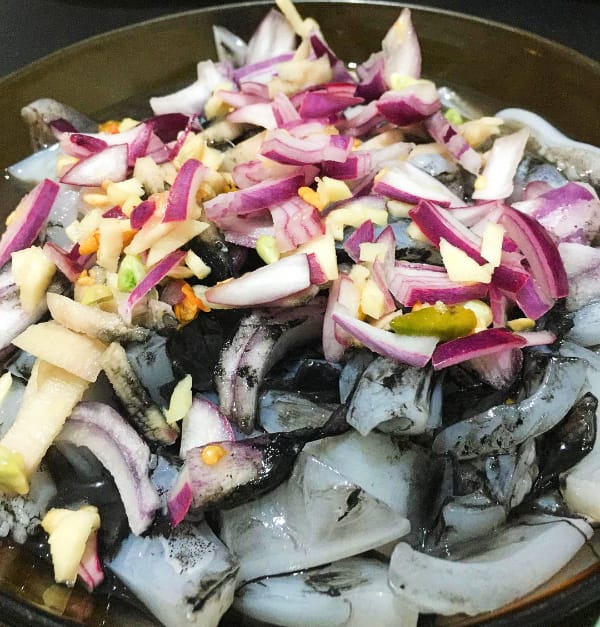
Sutukil
Another portmanteau of words, this time in Cebuano:
- su-: sugba; to grill
- -tu-: tula; to stew
- -kil-: kilaw; to eat seafood raw
It refers to serving seafood prepared in any of those three ways - grilled, stewed or eaten raw.
Tinola
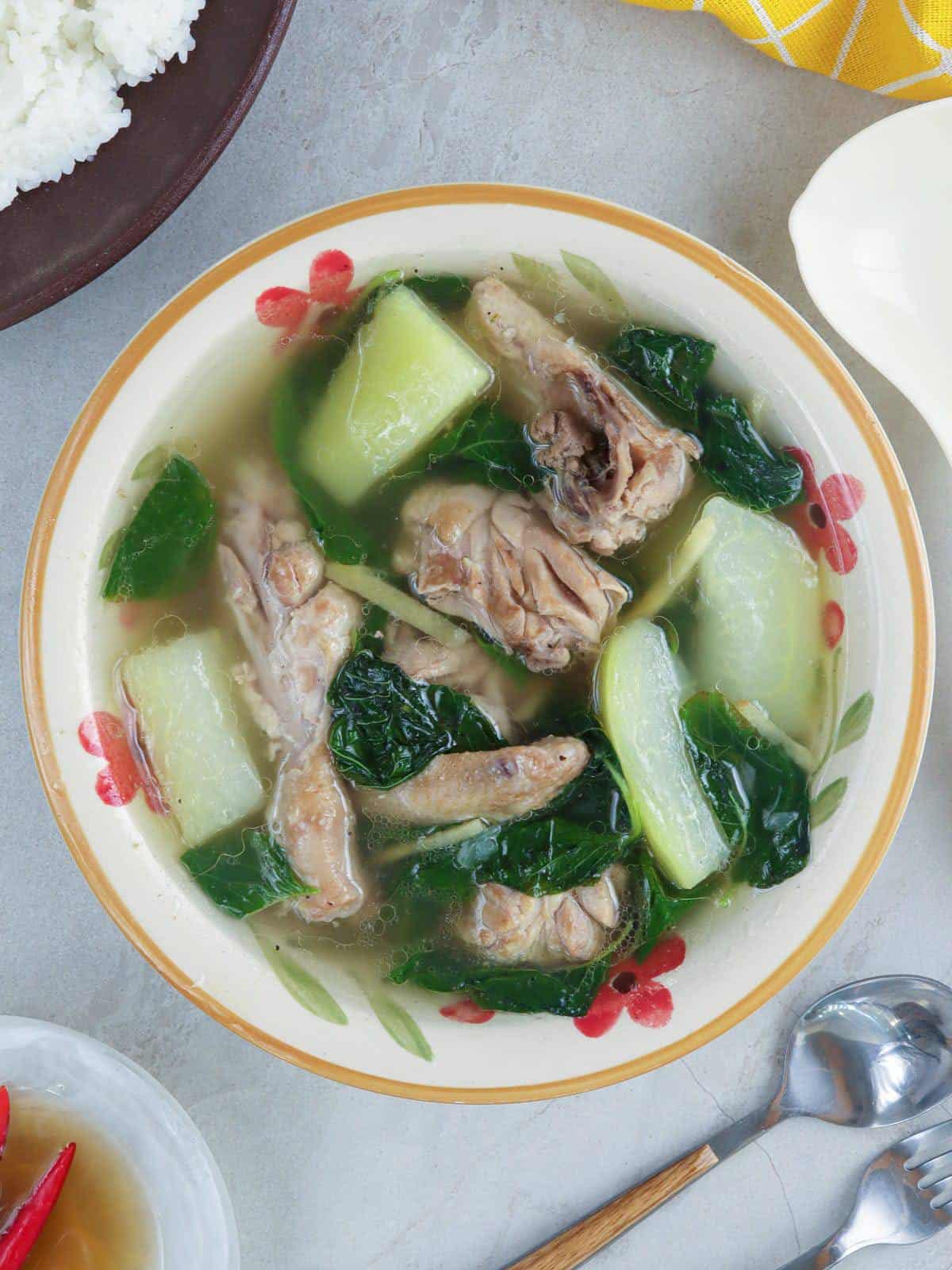
Tinola is a traditional Filipino stew of meat and green papaya. Tinola means ‘to boil in water’. It's a food with prehistoric origins.
Xenophora pallidula
A random entry that grabbed my attention on Wikipedia: Shell tools in the Philippines. Curious to see examples, I searched the National Museums website for 'shells': the search didn't come up with tools, but rather with this captivating exhibit:
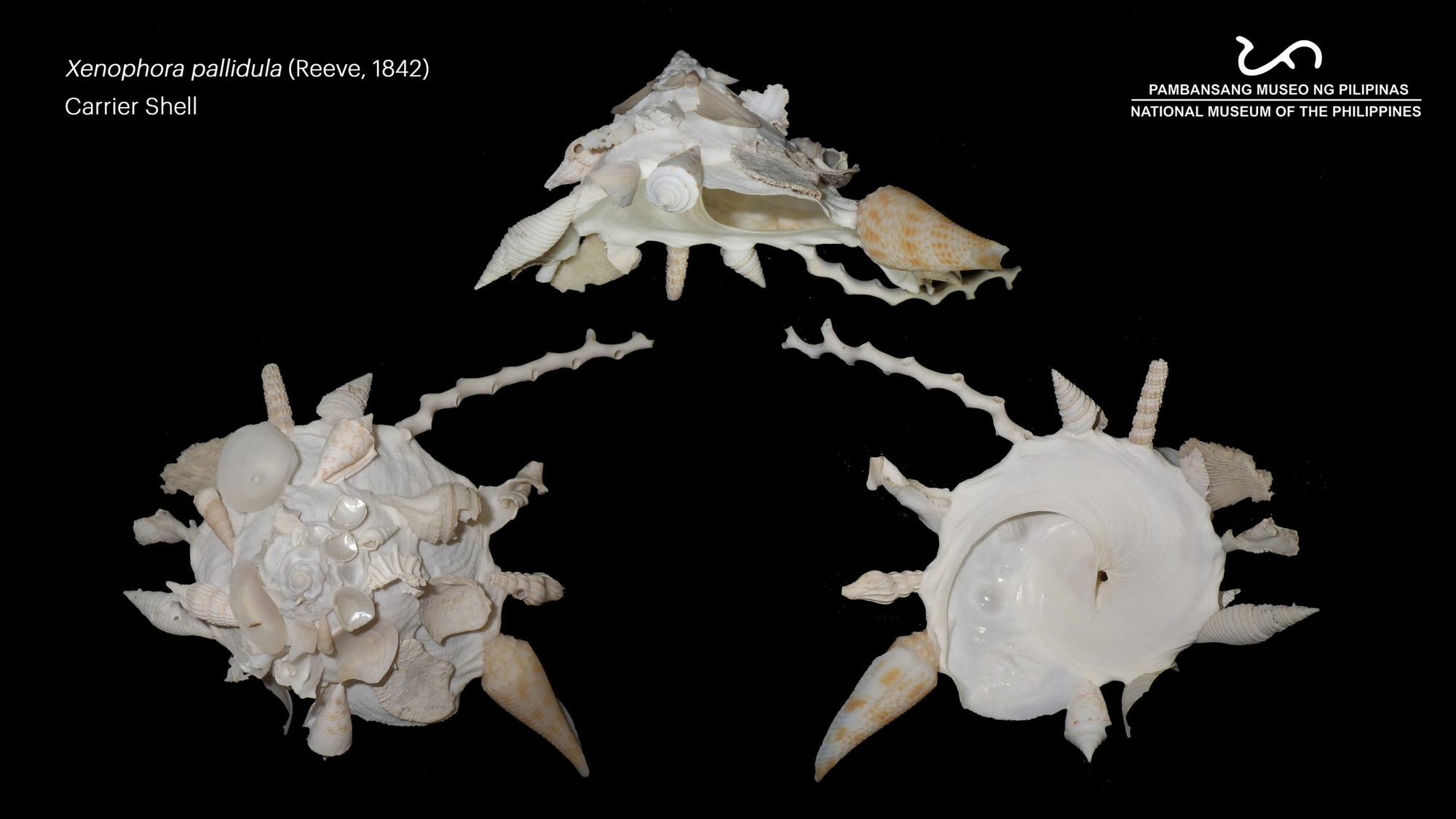
At first, I thought I was looking at delicate human-made shell decorations. But as it turns out, the xenophora pallidula is a species of large sea snails that, on the spines of its own shell, carries other shells. The species is commonly found in the Philippines, among other places in the world.
I'm quite thrilled by these, and wondering if they could be found in the Natural History Museum in Manila. I don't think we have time for the museum on this trip, but I'll keep it in mind for another time.
Lechon
Lechon is a spit-roasted pig. Its skin is crispy, while the meat is tender.
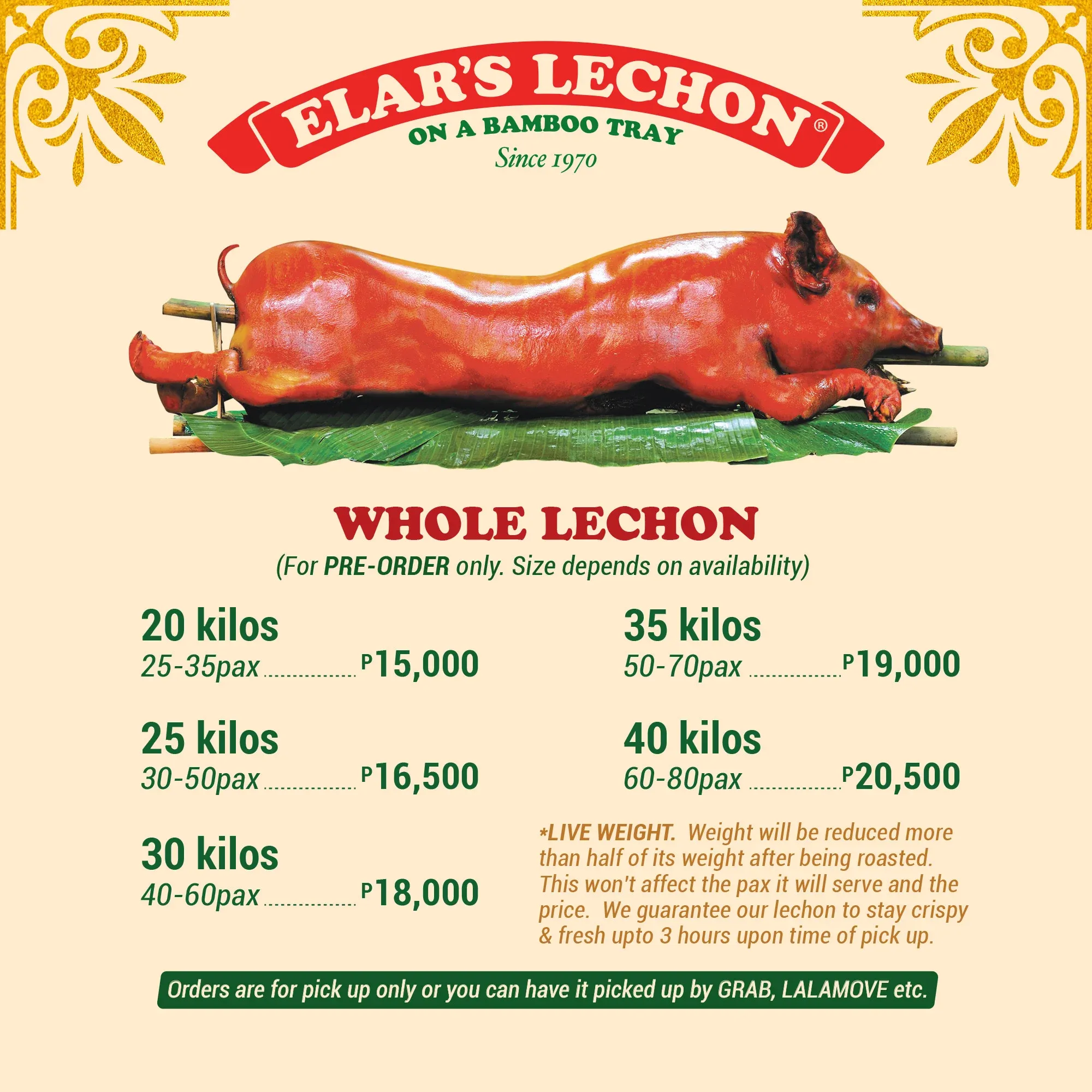
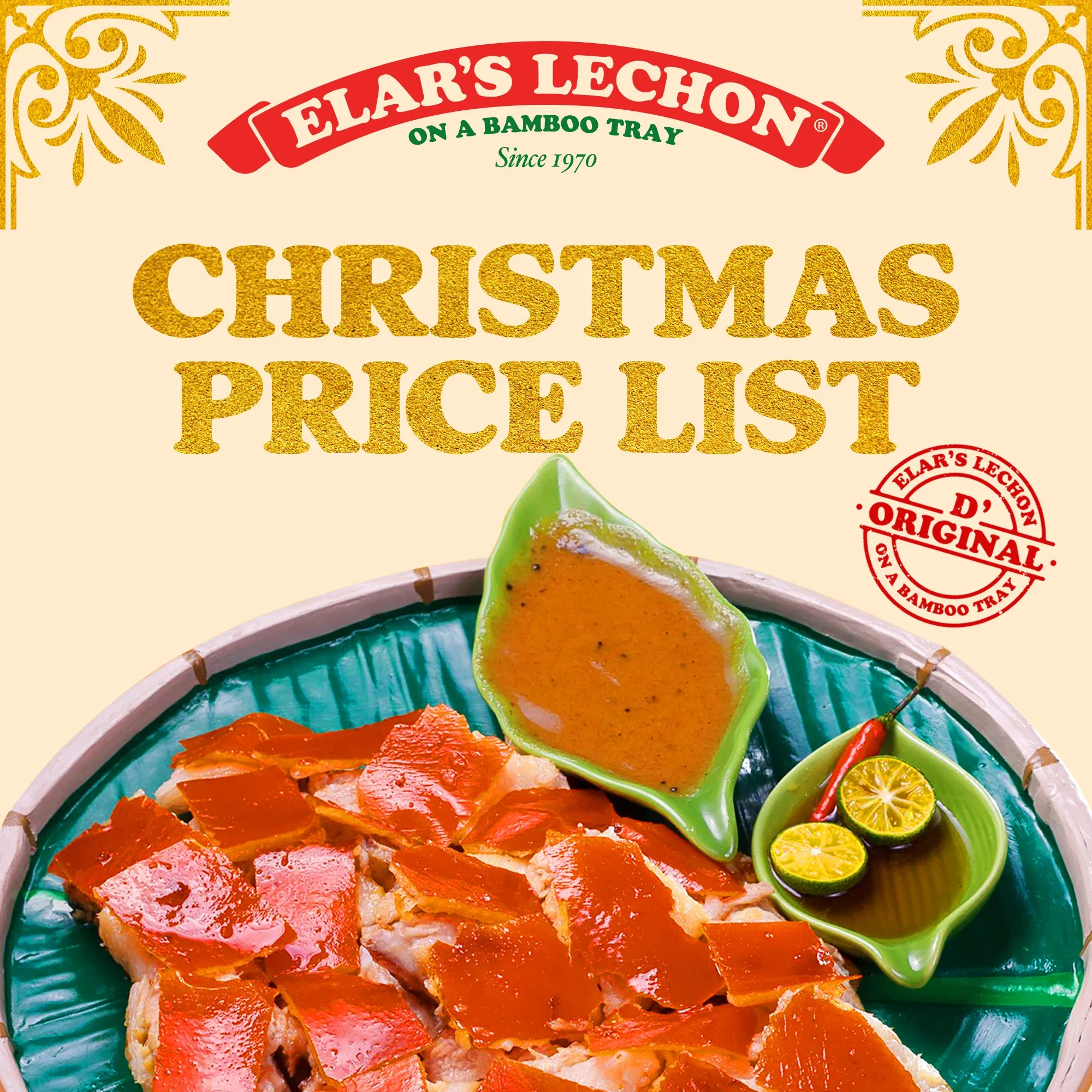
Lechon, whole (left) and served chopped with sauces (right) (Images from Elar's Lechon)
Sisig & the Sisig Queen
Sisig is a dish made from pork jowl and ears, pork belly, and chicken liver. These are roasted, chopped up and seasoned with kalamansi, onions and chili peppers.
The dish was made famous by the Sisig Queen, Lucia Cunanan. She invented the modern version of sisig in her restaurant in Angeles in 1974.
In 2008, at the age of 80, the Sisig Queen was found murdered in her home. There is a popular theory that her husband killed her for not giving him money to spend on his mistress.
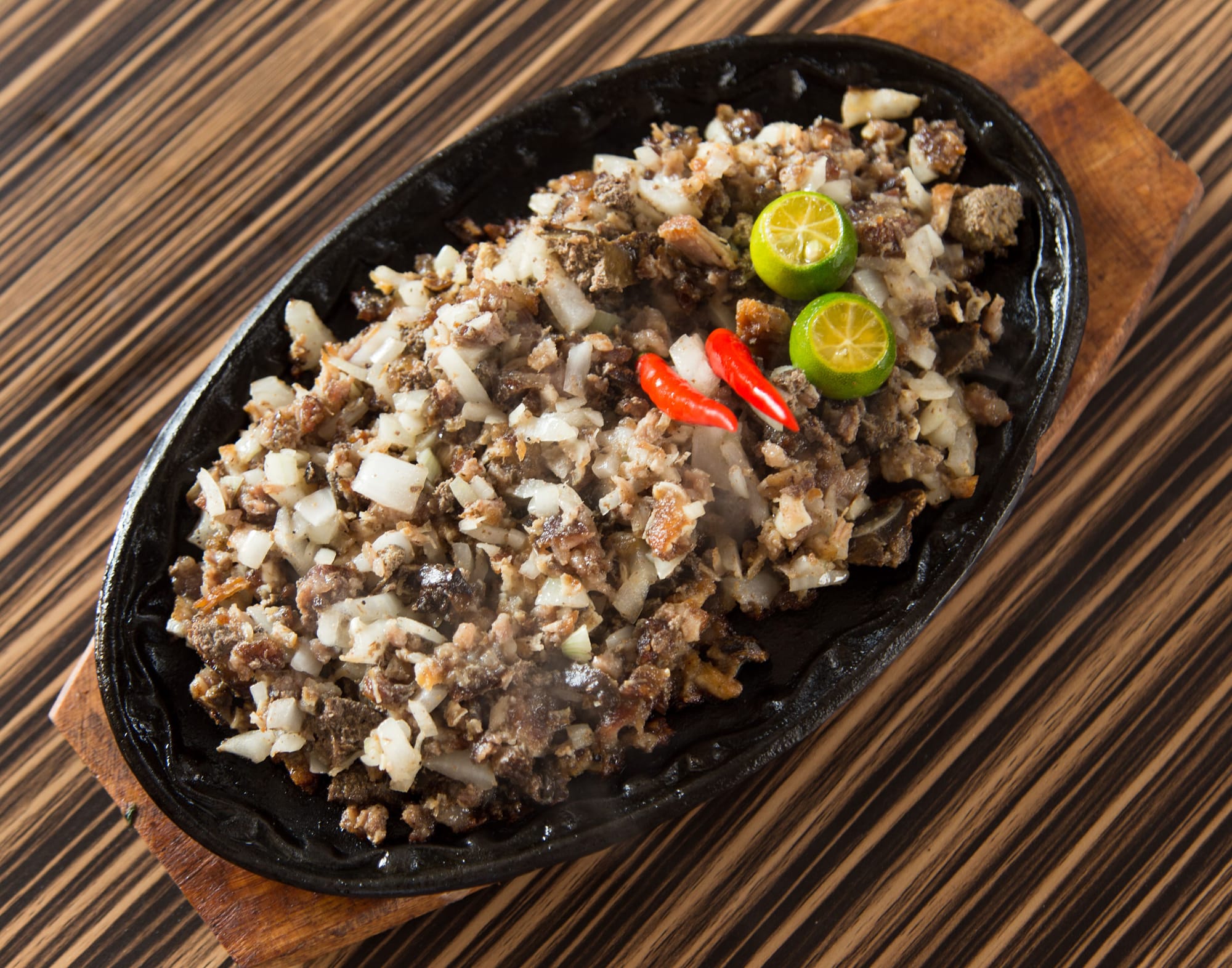
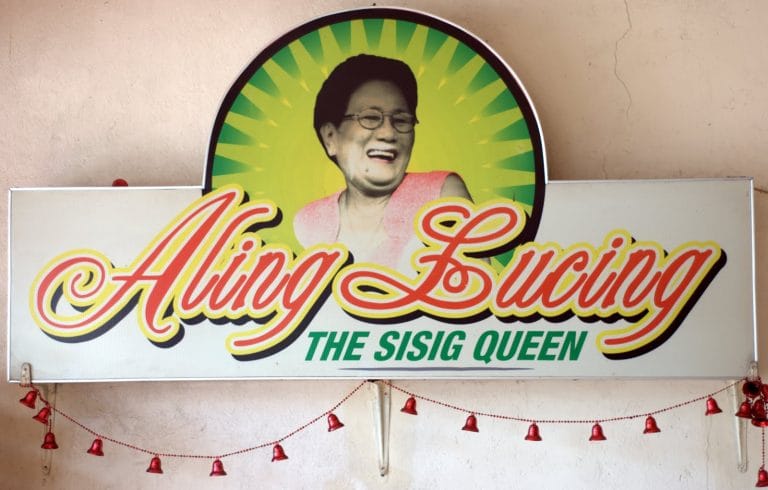
Left: Sisig, served on a sizzling plate with fresh calamansi and chilies. (Photo from Wikipedia) Right: Restaurant sign for Aling Lucing, the Sisig Queen. (Photo from Kapampangan Ku)

Sinigang
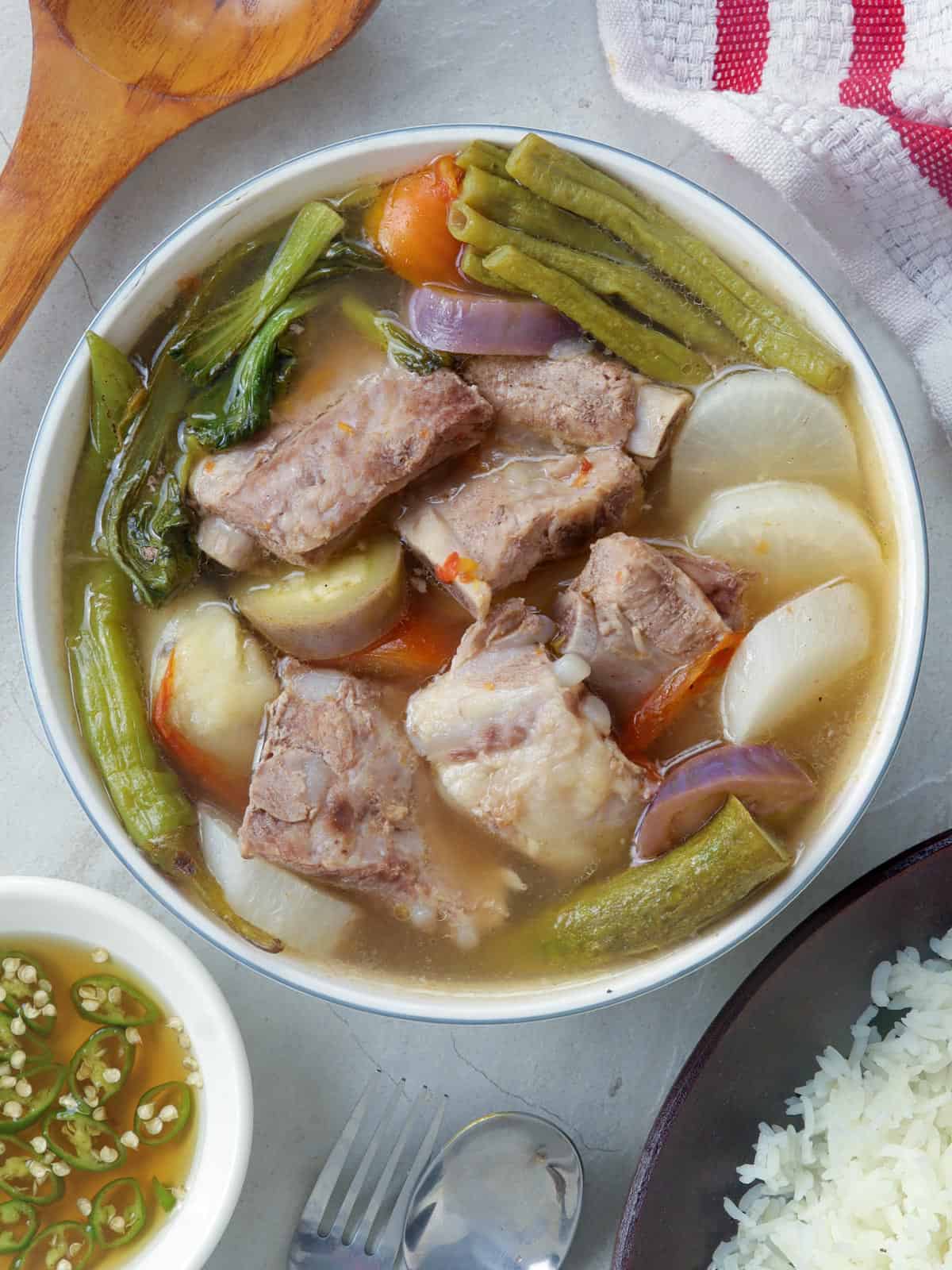
Sinigang is a dish that consists of meat in a sour tamarind broth. Traditionally, it is made with pork, shrimp, or milkfish. Modern variations include beef, salmon and lechon.
Bagnet
Bagnet is the Phillippines' crispy pork belly, originating from Ilocos.
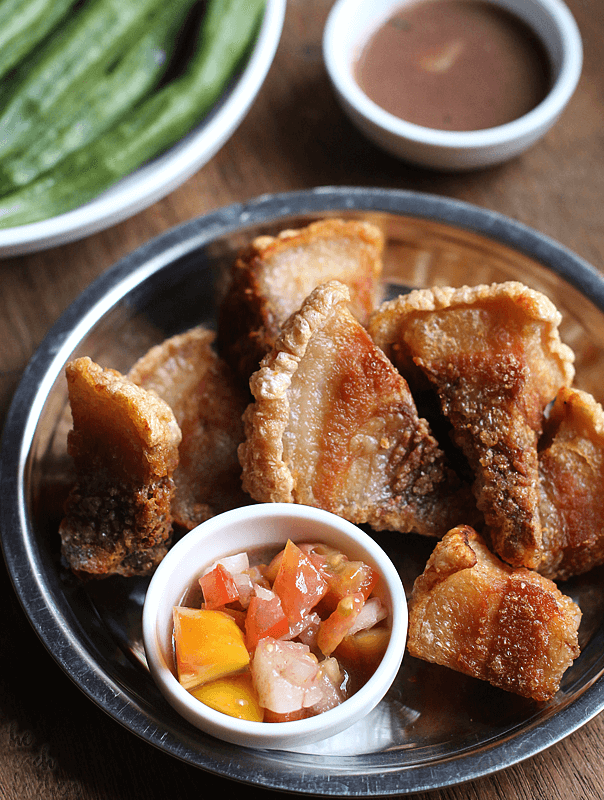
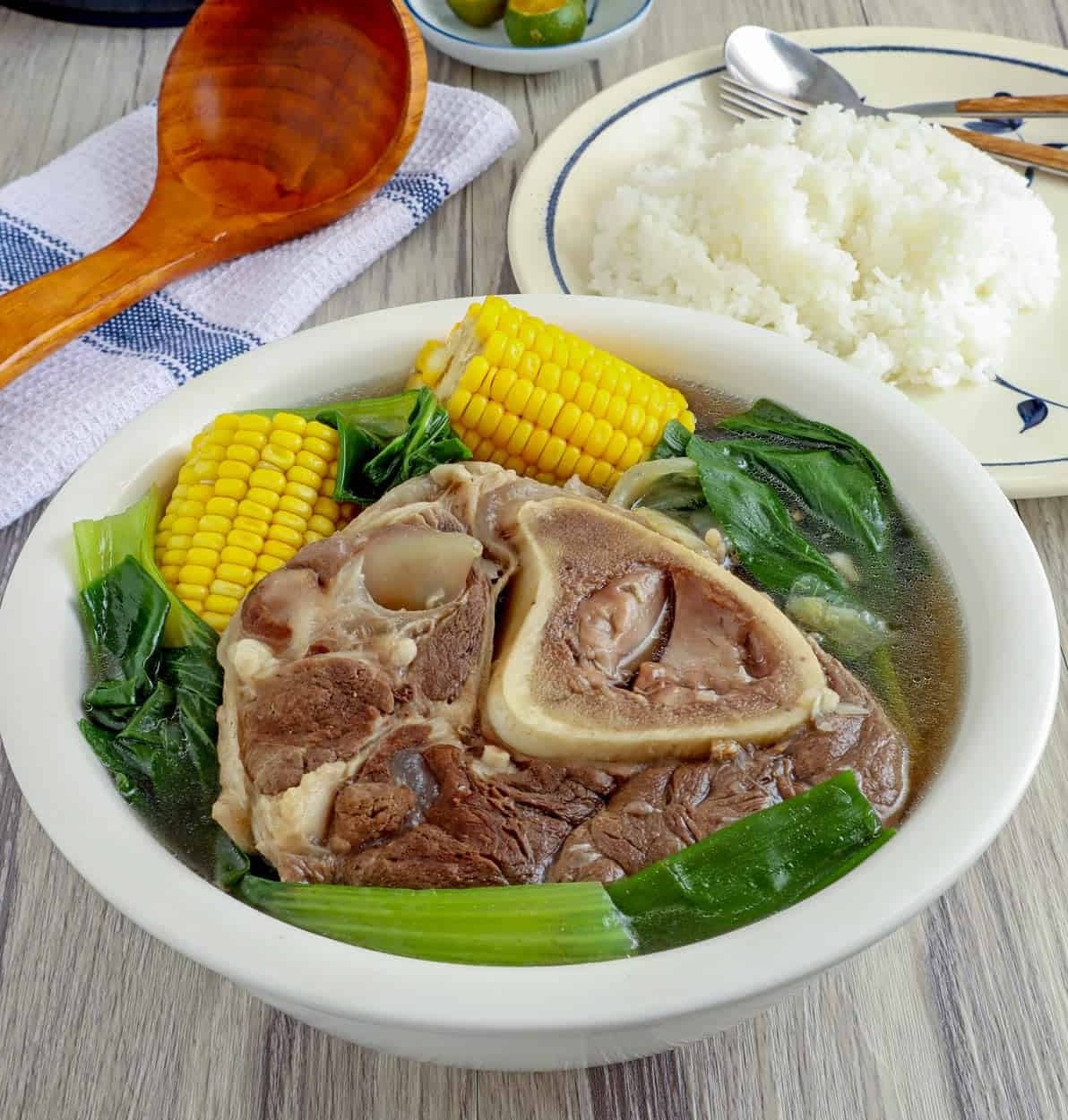
Bulalo
Bulalo is a clear broth that is made with beef shank, with bone marrow still inside the bone. The dish originates from Batangas.
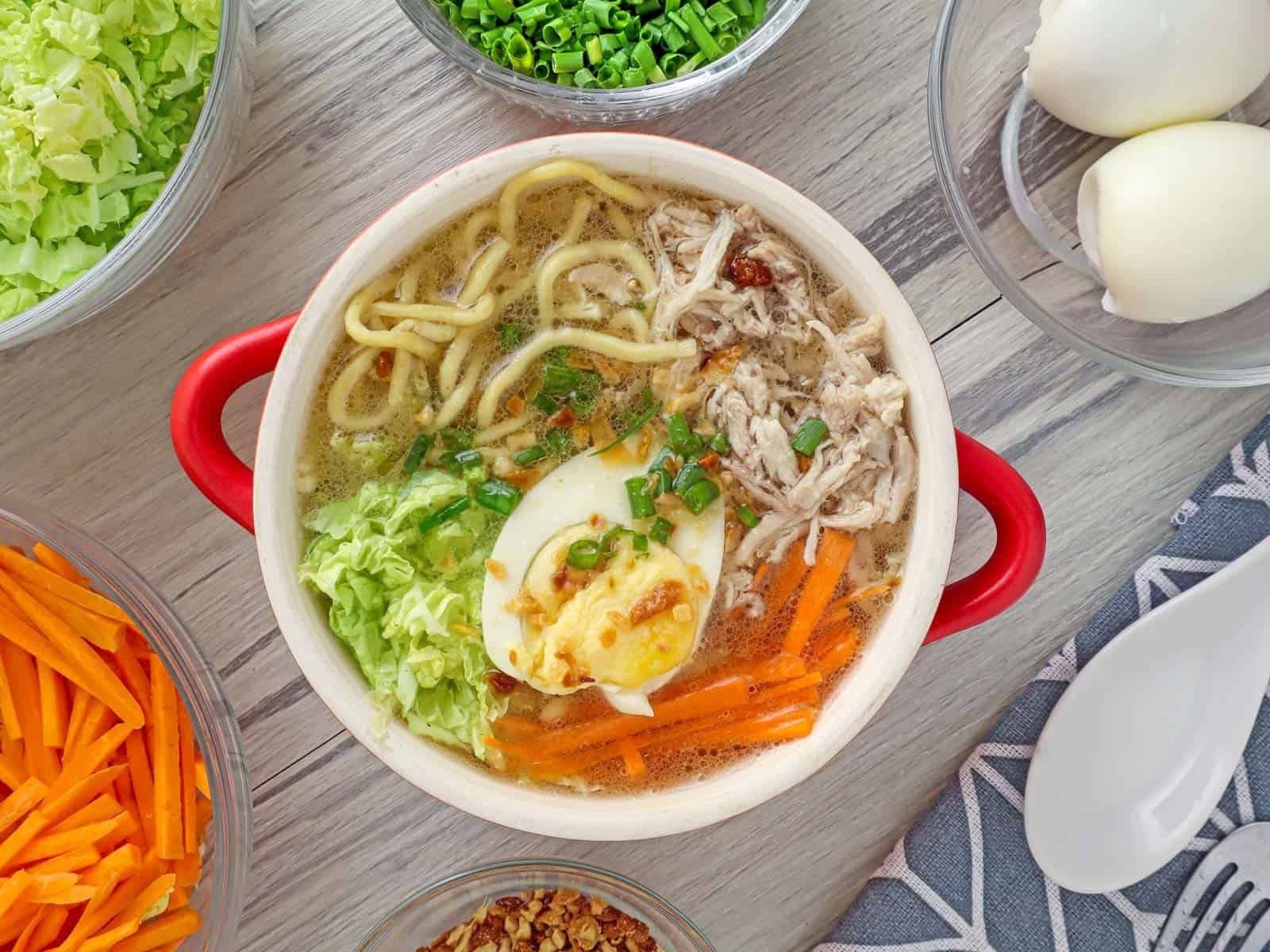
Mami
Mami, local to San Pablo, is a hearty noodle soup featuring beef or pork toppings.
Bicol express
Bicol express, from Bicol, is a spicy, creamy stew featuring pork belly, coconut milk, and shrimp paste (bago-ong).
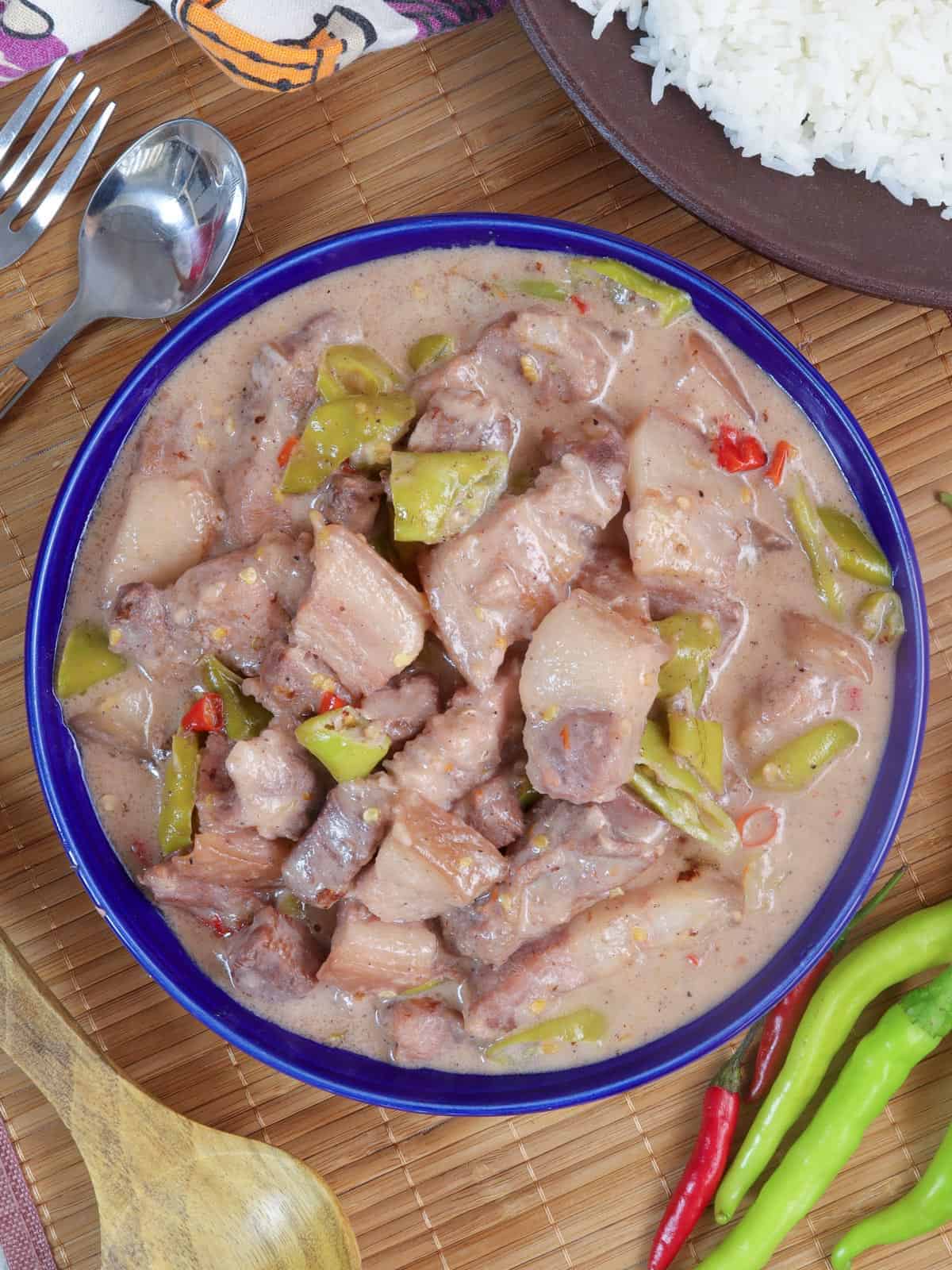
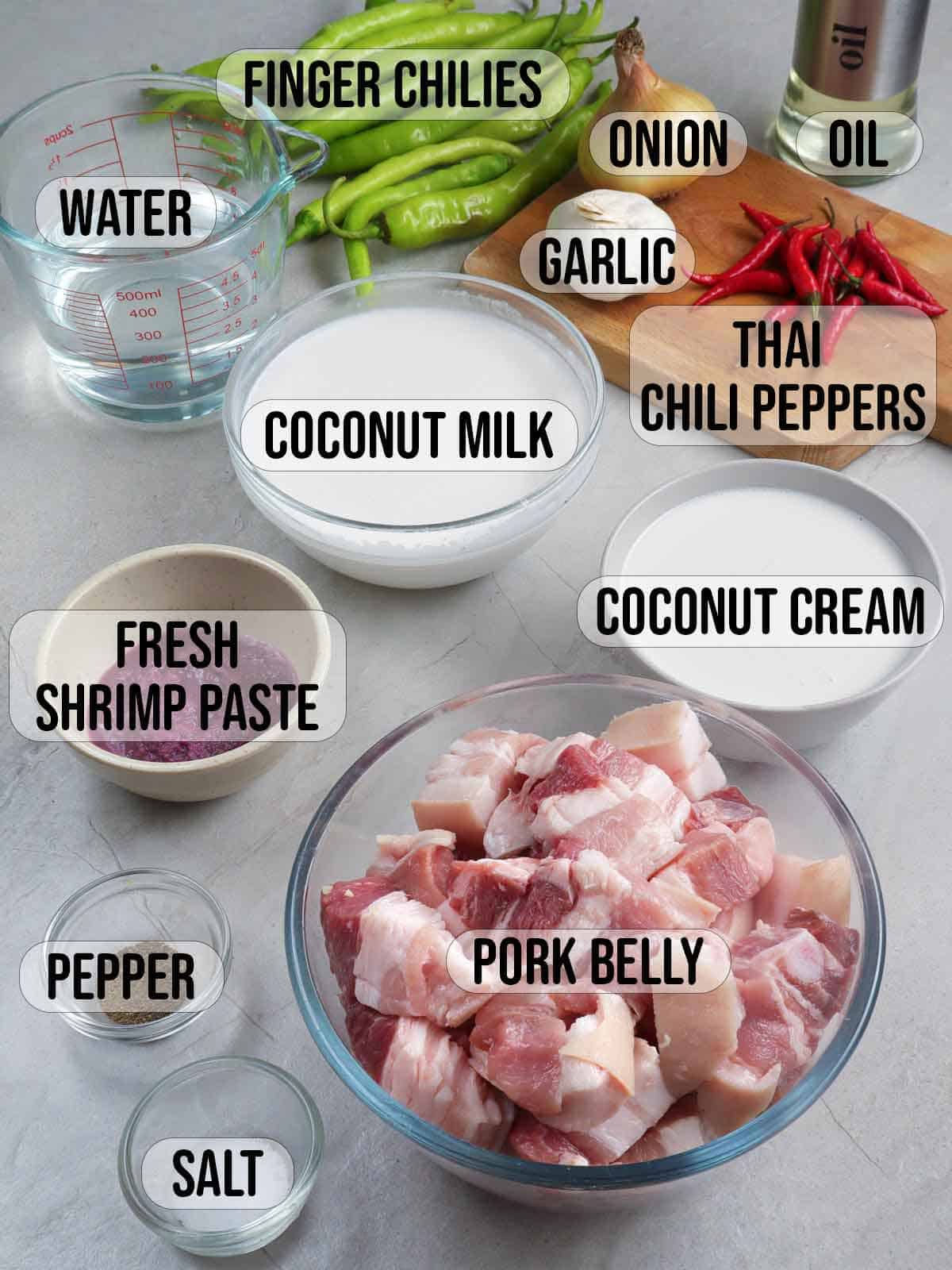
Left: Bicol express Right: Ingredients for bicol express (Photos from Kawaling Pinoy)
Batchoy
A noodle soup with pieces of meat (liver, spleen, kidney, heart, crushed pork cracklings) as well as vegetables. It was originally made by Chinese immigrants in Iloilo, and the name comes from the Hokkien Chinese phrase baq cui, which means "pieces of meat".
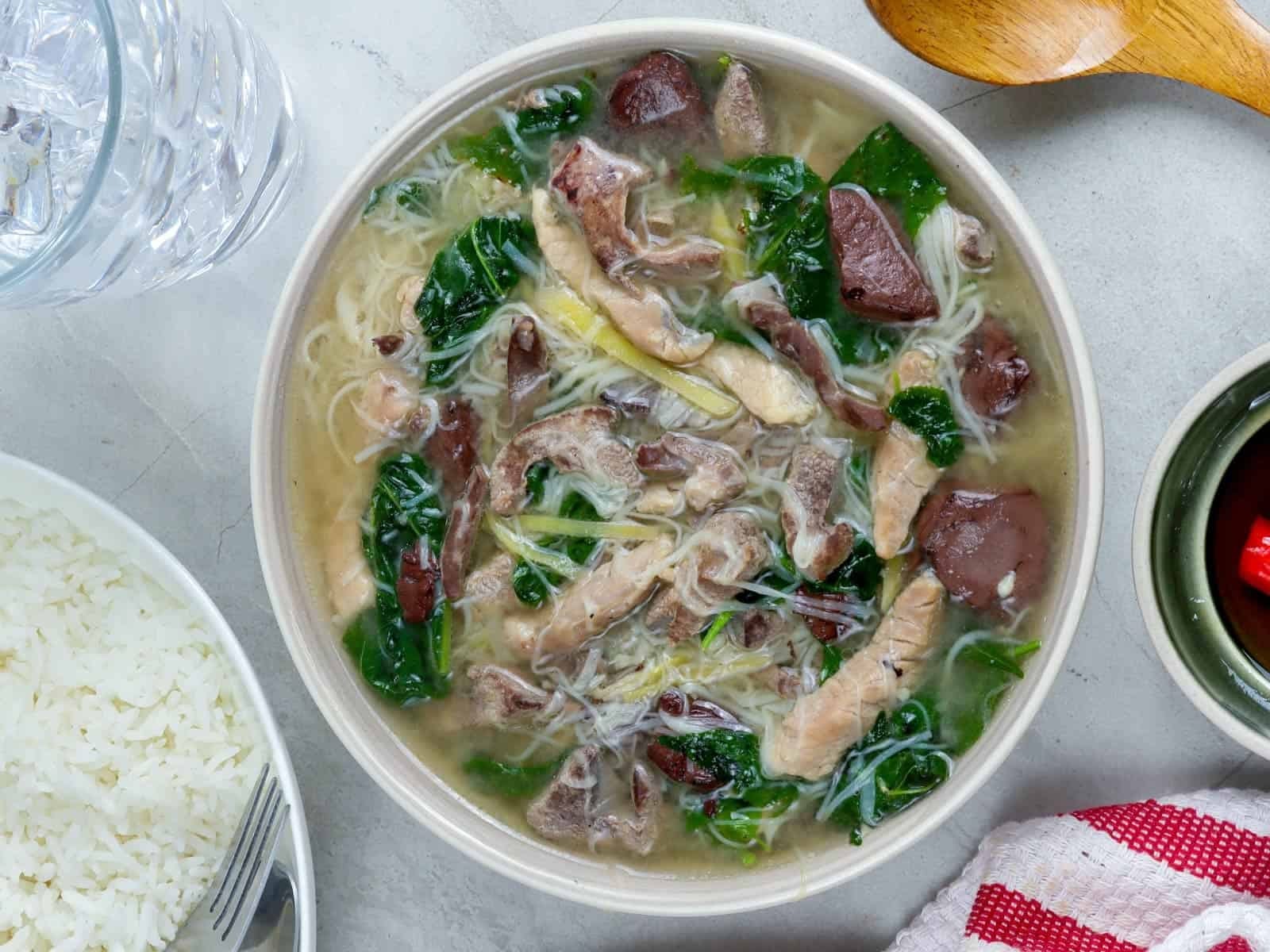
Curacha
A crab with a bright red shell, found in Mindanao. It can be prepared by steaming or boiling, and the most famous preparation is Curacha in Alavar Sauce, a creamy coconut milk-based sauce mixed with spices.
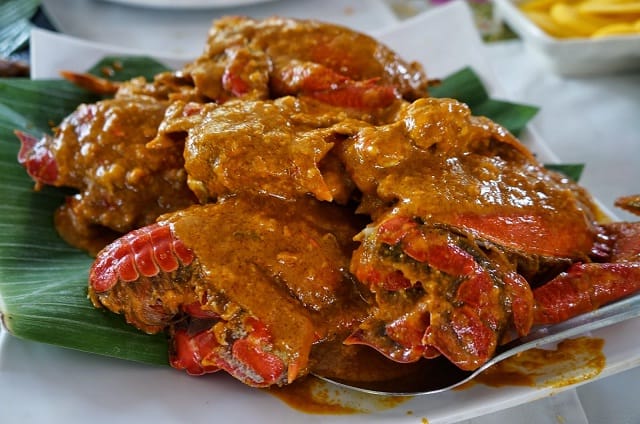
Adobo
The Filipino adobo is cooking method where meat or fish are stewed in vinegar, soy sauce, garlic, pepper and bay leaf.
The name comes from the Spanish word adobo, meaning seasoning or marinade. However, Filipino adobo is different from the Spanish preparation of the same name.
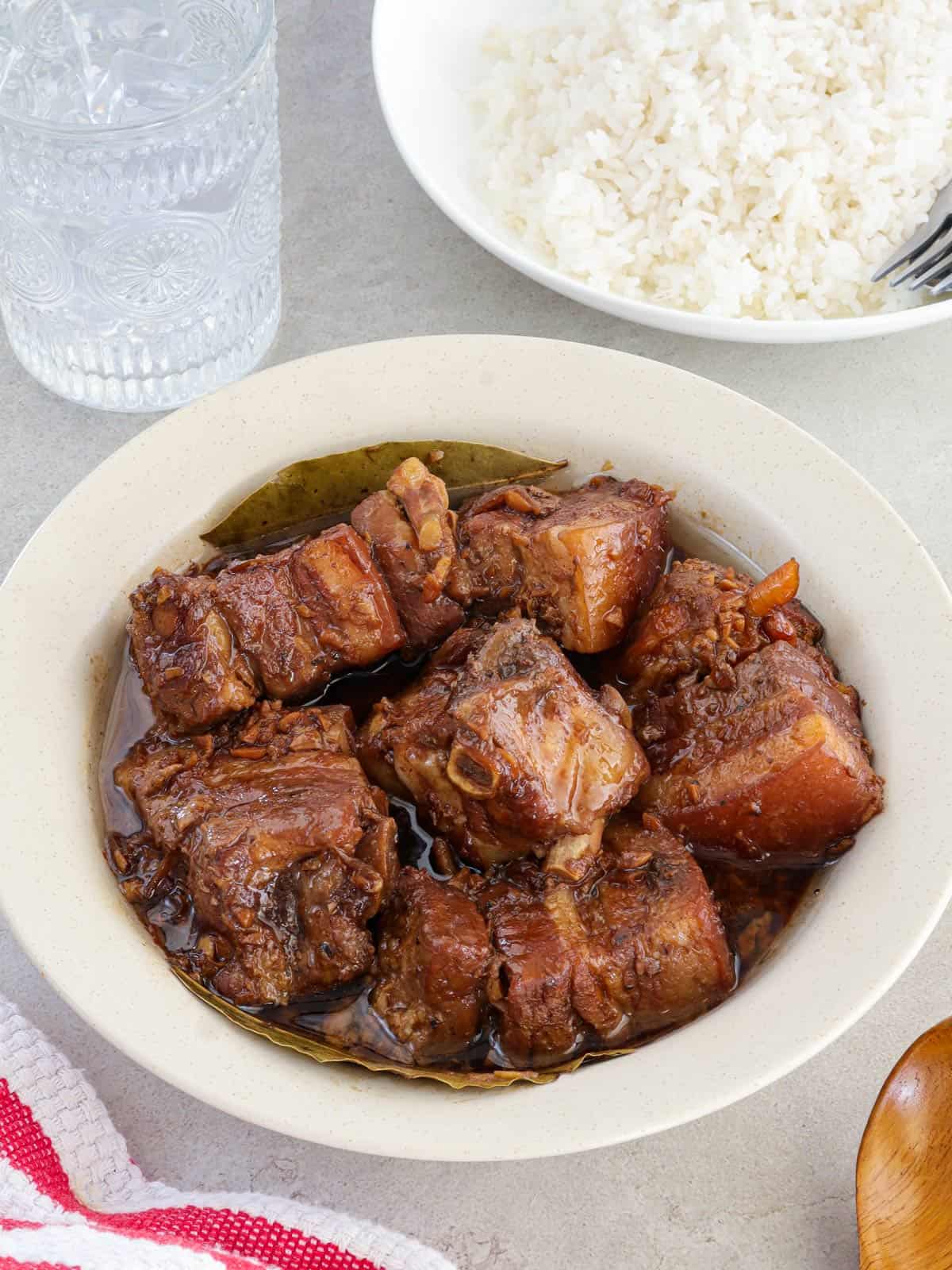
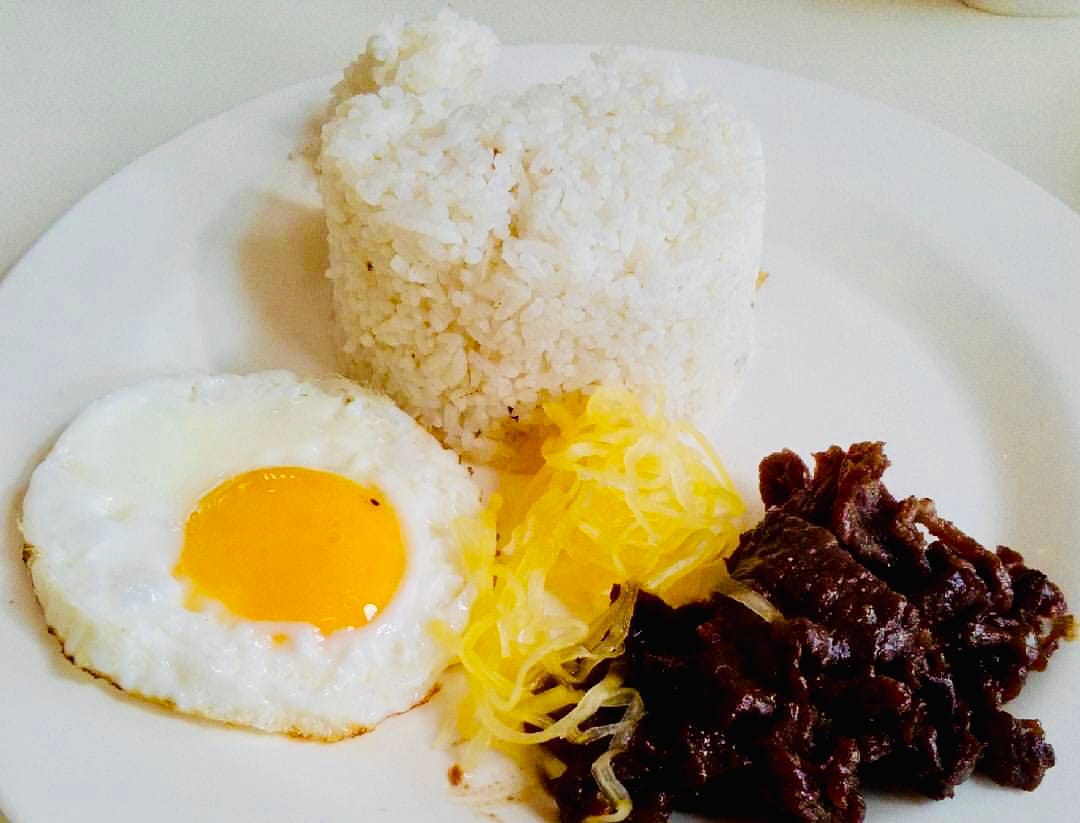
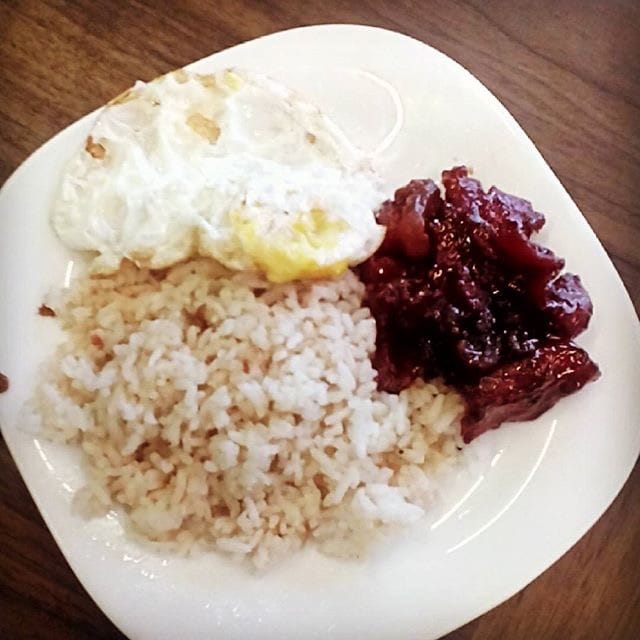
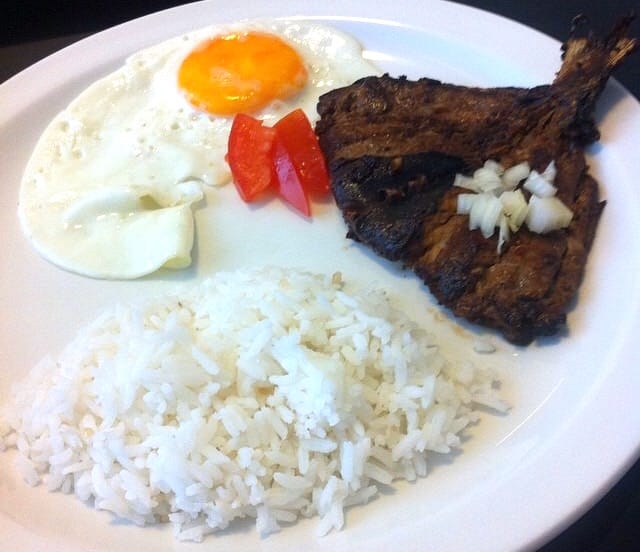
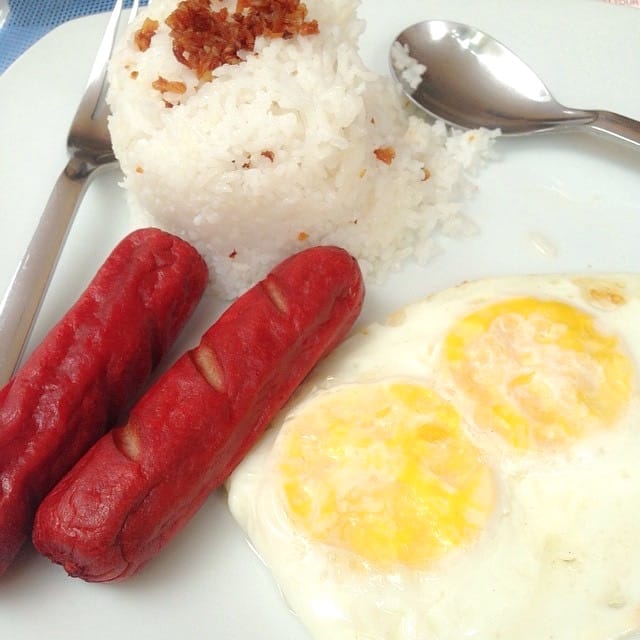
Tapsilog
Tapsilog is a dish of rice served with tapa (dried meat), sinangag (fried rice) and itlog (egg). It is commonly eaten as breakfast.
Post-travel addition: Icko told me there are unlimited variations to this. For example:
- Tosilog: fried tosino (sweet, cured meat), sinangag and egg. 🍖🍚🍳
- Bangsilog: fried bangus (milkfish), sinangag and egg. 🐟🍚🍳
- Hotsilog: hotdog, sinangag and egg. 🌭🍚🍳
Pamapa itum
Pamapa Itum is an aromatic paste from Mindanao made by pounding charred coconut meat with spices like ginger, turmeric, galangal, lemongrass, and chilies. It provides a deep smoky, earthy, and complex flavor to dishes. It is used in Tausug cooking.
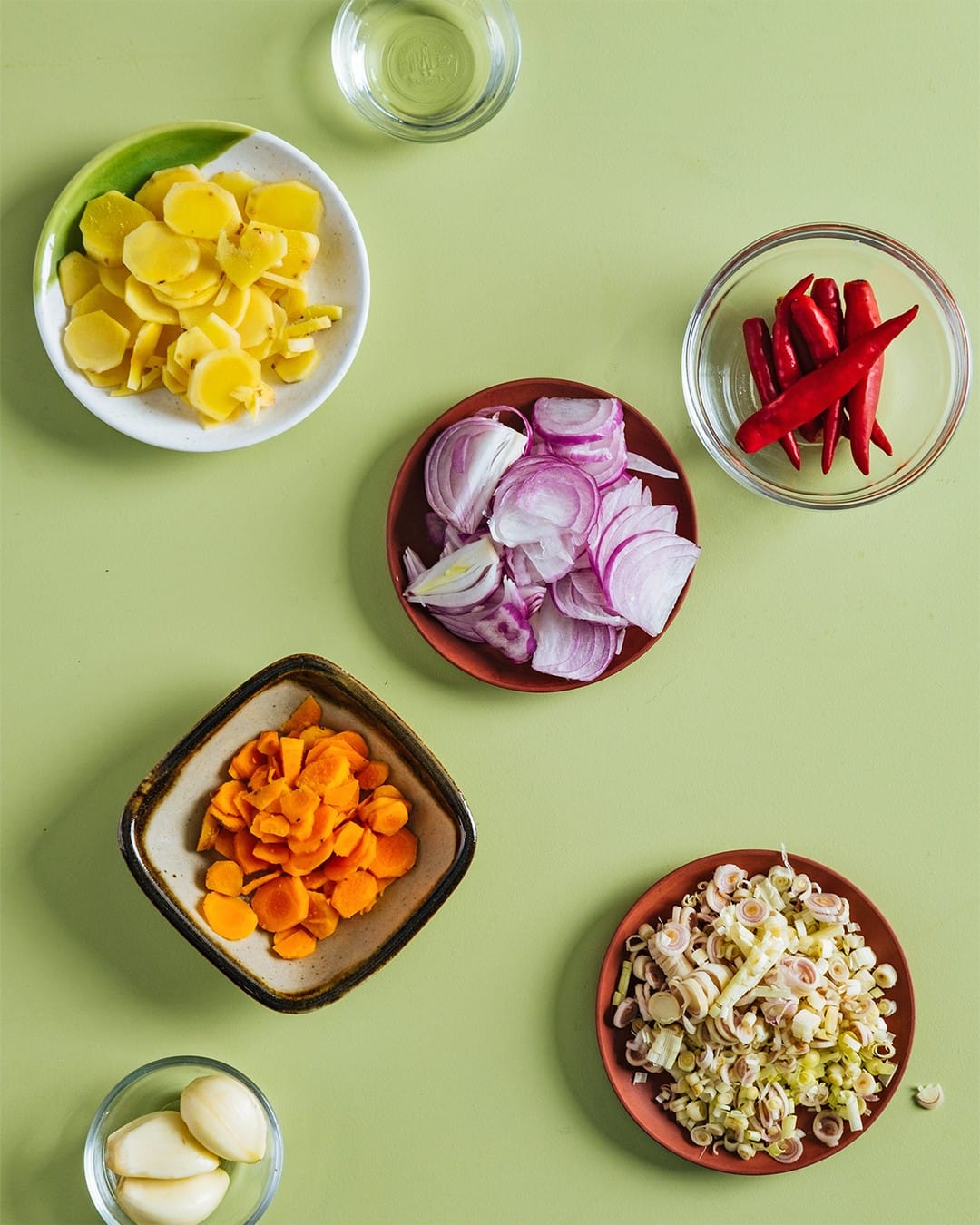
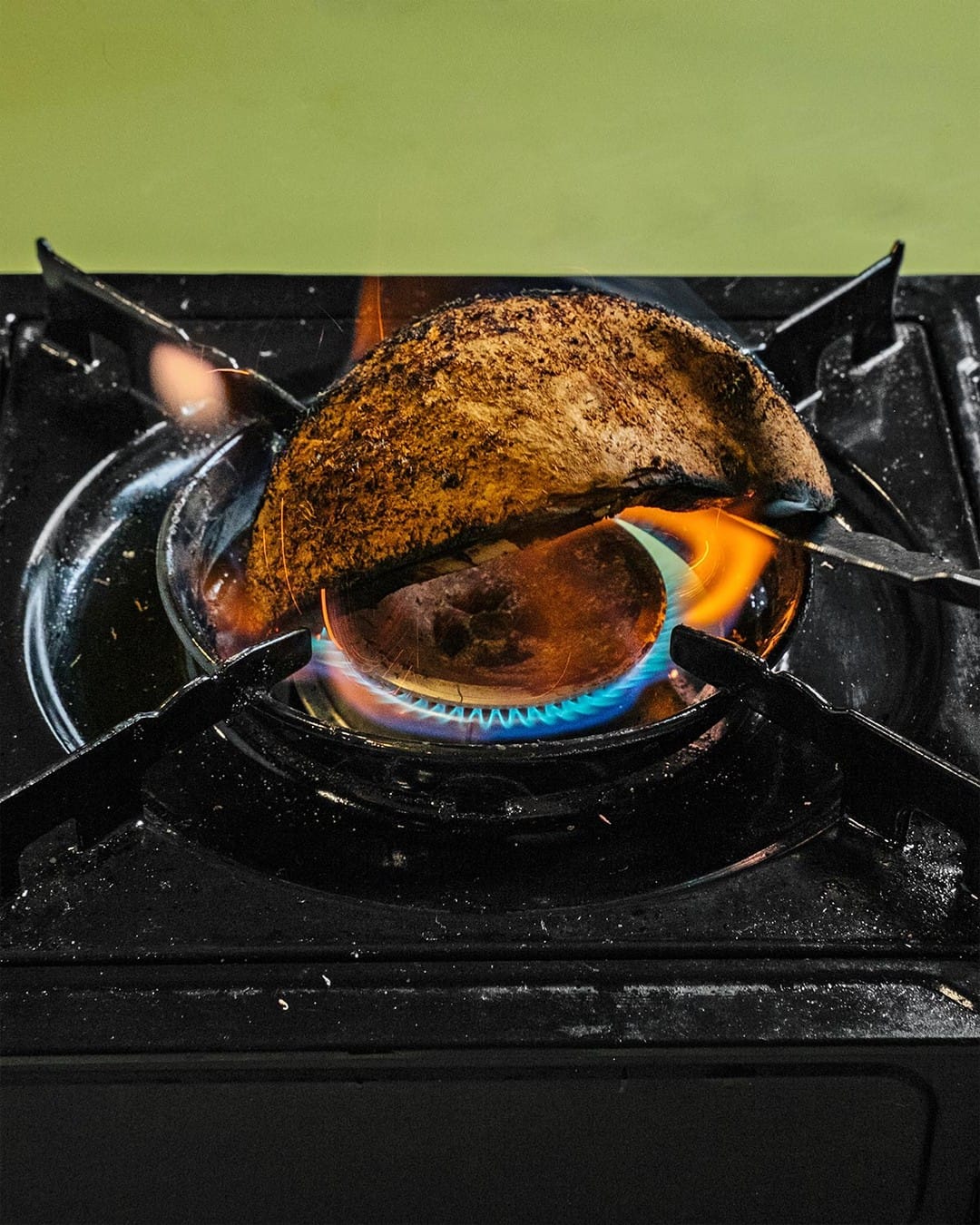
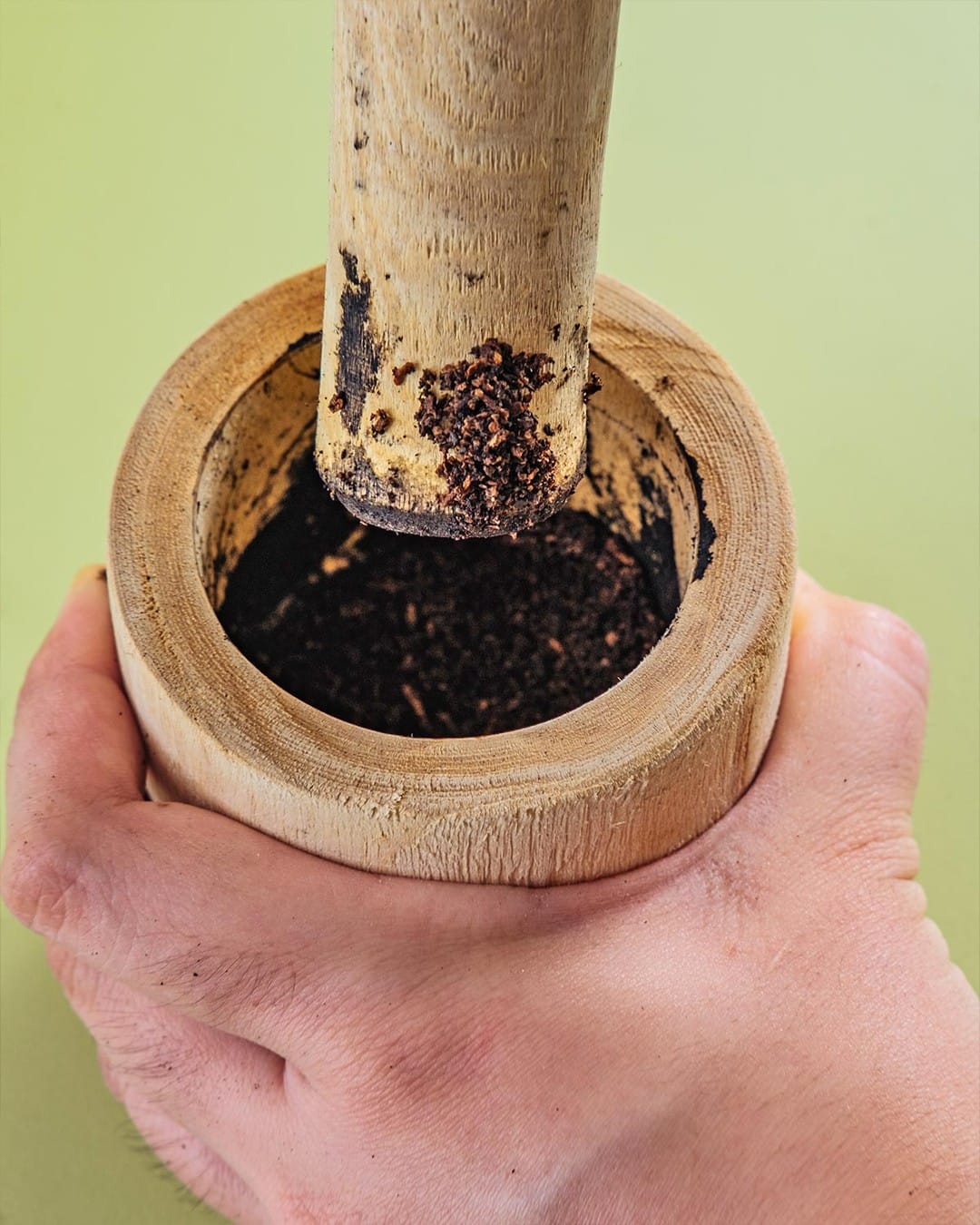
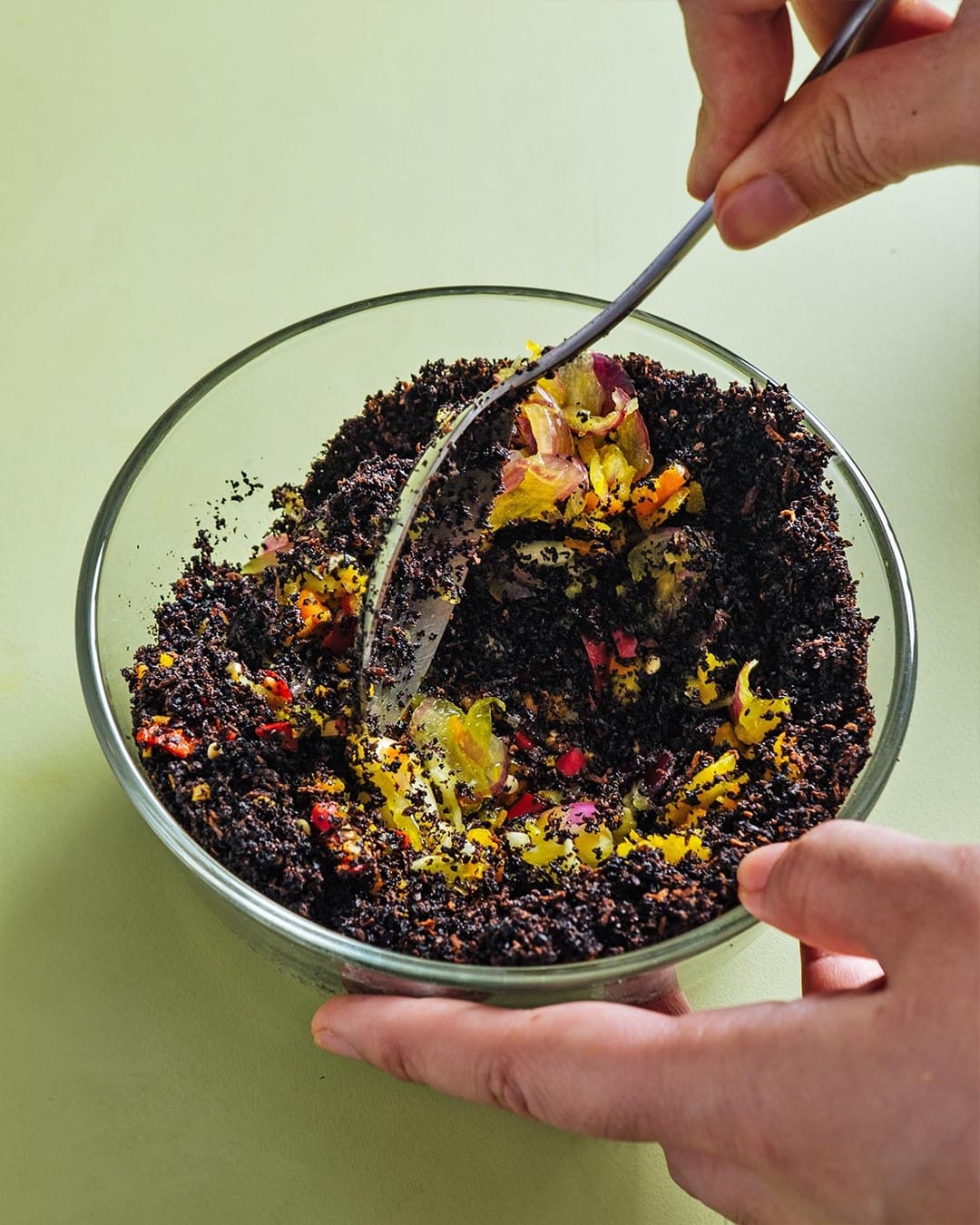
Preparation of pamama itum (photos from Pepper.ph on Instagram)
Tausug
The Tausug ("People of the Current") are an Austronesian ethnic group, predominantly Muslim, native to the Sulu Archipelago in the Philippines. They have a large population on Mindanao.
The Sulu Archipelago is a chain of islands that connects Mindanao with Sabah (a Malaysian part of Borneo).
Tausug cooking is characterized by its bold, aromatic, and spicy flavors, heavily influenced by Malay and Indonesian cuisines.
Chicken piyanggang
Chicken piyanggang is a dish which consists of chicken stewed in coconut milk mixed with papama itum.
@mrdann0304 Assalammualaykum! Luto tayo ng “ Piyanggang Manok" - isang tradisyunal na ulam ng mga Muslim ( Tausug ) sa Mindanao. Karaniwang inihahain ito tuwing may okasyon o pag-'dua’, at ngayong araw ay lulutuin ko ito gamit ang NamNam All-in-One Seasoning na siguradong magpapalinamnam sa bawat sangkap! Ingredients: Siyunog lahing o sinunog na niyog Bawang Sibuyas Luya Luyang dilaw Tanglad Gata Paminta at NamNam All-in-One Seasoning na magbibigay linamnam sa bawat pagkain na ating lulutuin. #NamNamAllInOneSeasoning #NamNamSeasoning ♬ original sound - Mr. Kahawaboy 🌙
Alagaw
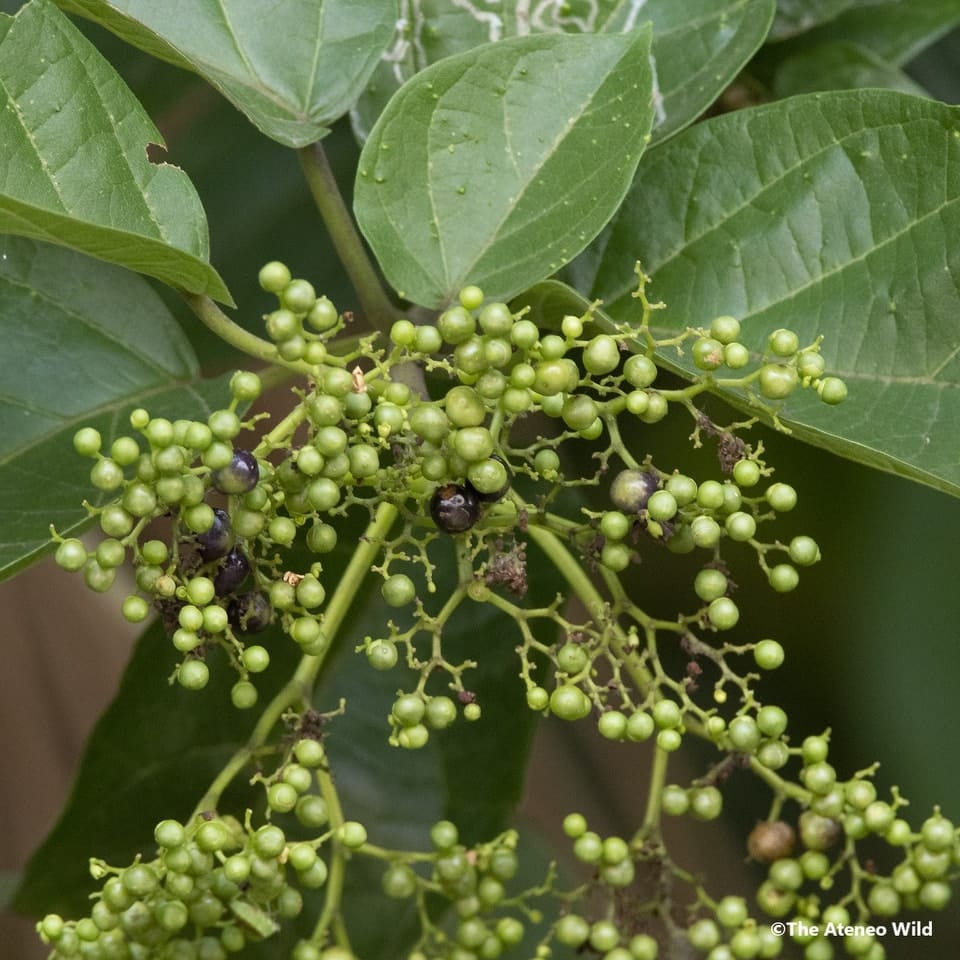
Alagaw (Premna odorata) is a well-known plant in the Philippines. Its leaves are used in dishes such as paksiw, stuffed fish, grilled chicken or raw in salads.
Alagaw also has many medicinal benefits; an alagaw tea can help with coughing, congestion, fever and flatulence. Smashed leaves can be applied to the skin to help with pimples and acne.
Paksiw
Paksiw refers to a Filipino cooking style and dish in which fish or meat is cooked in vinegar, garlic and salt.
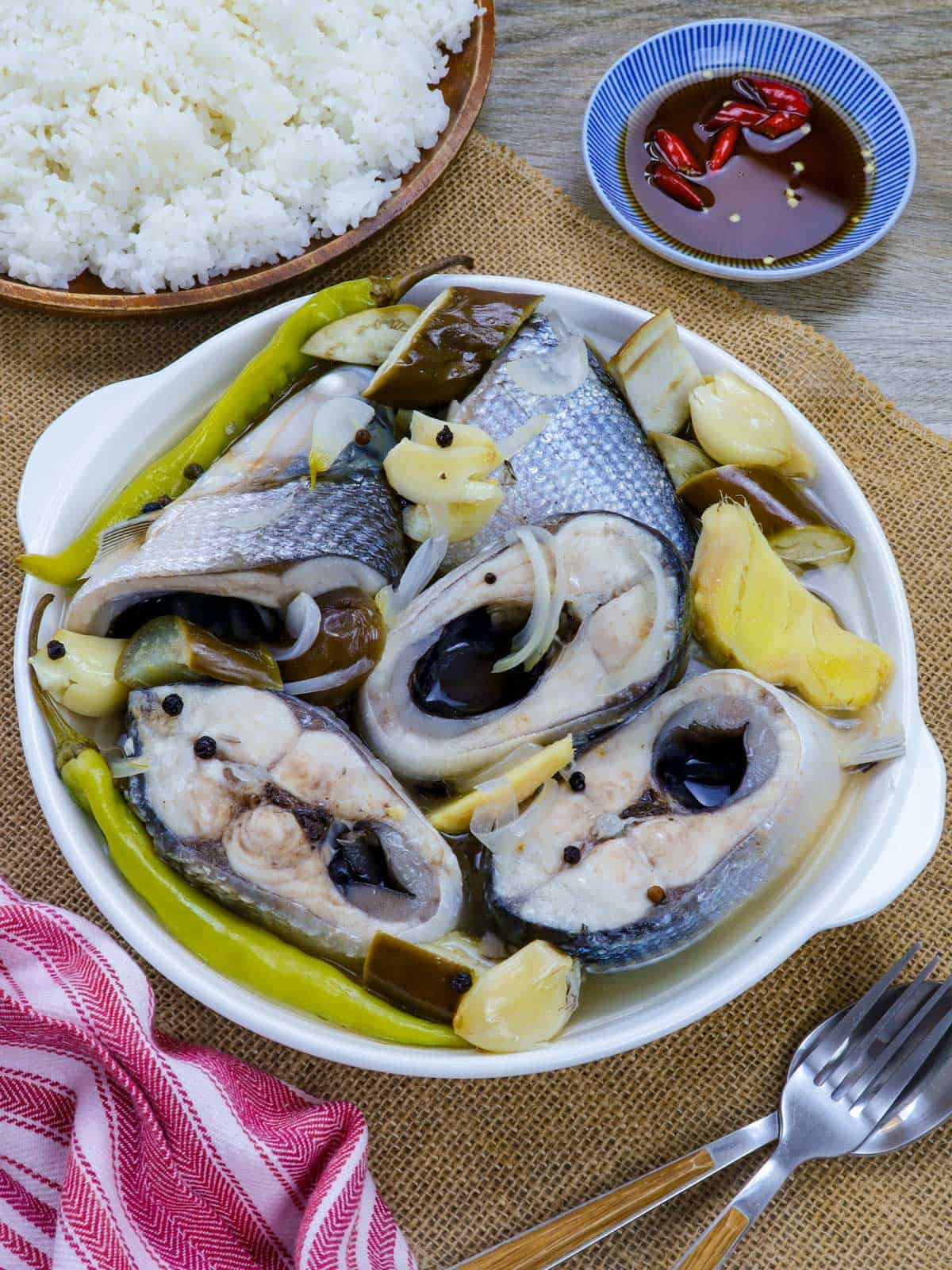
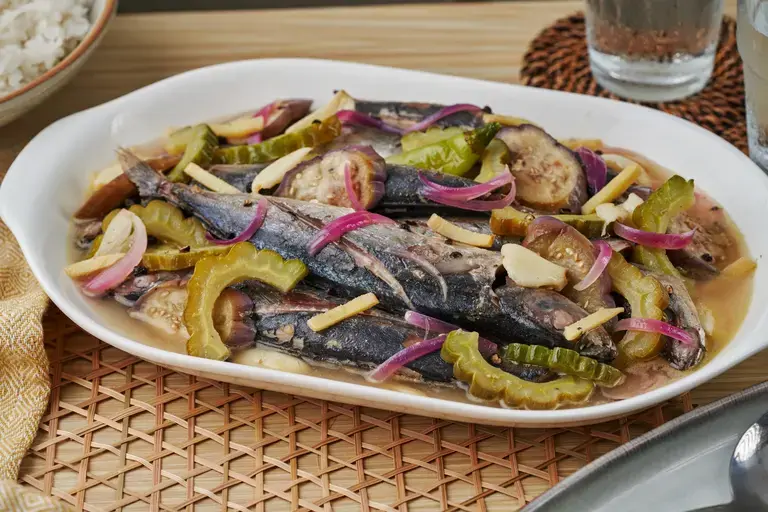
Left: Paksiw na bangus (paksiw with milkfish) (Photo from Kawaling Pinoy) Right: Paksiw na galunggong (paksiw with mackerel scad) (Photo from Maggi)
Bagoong
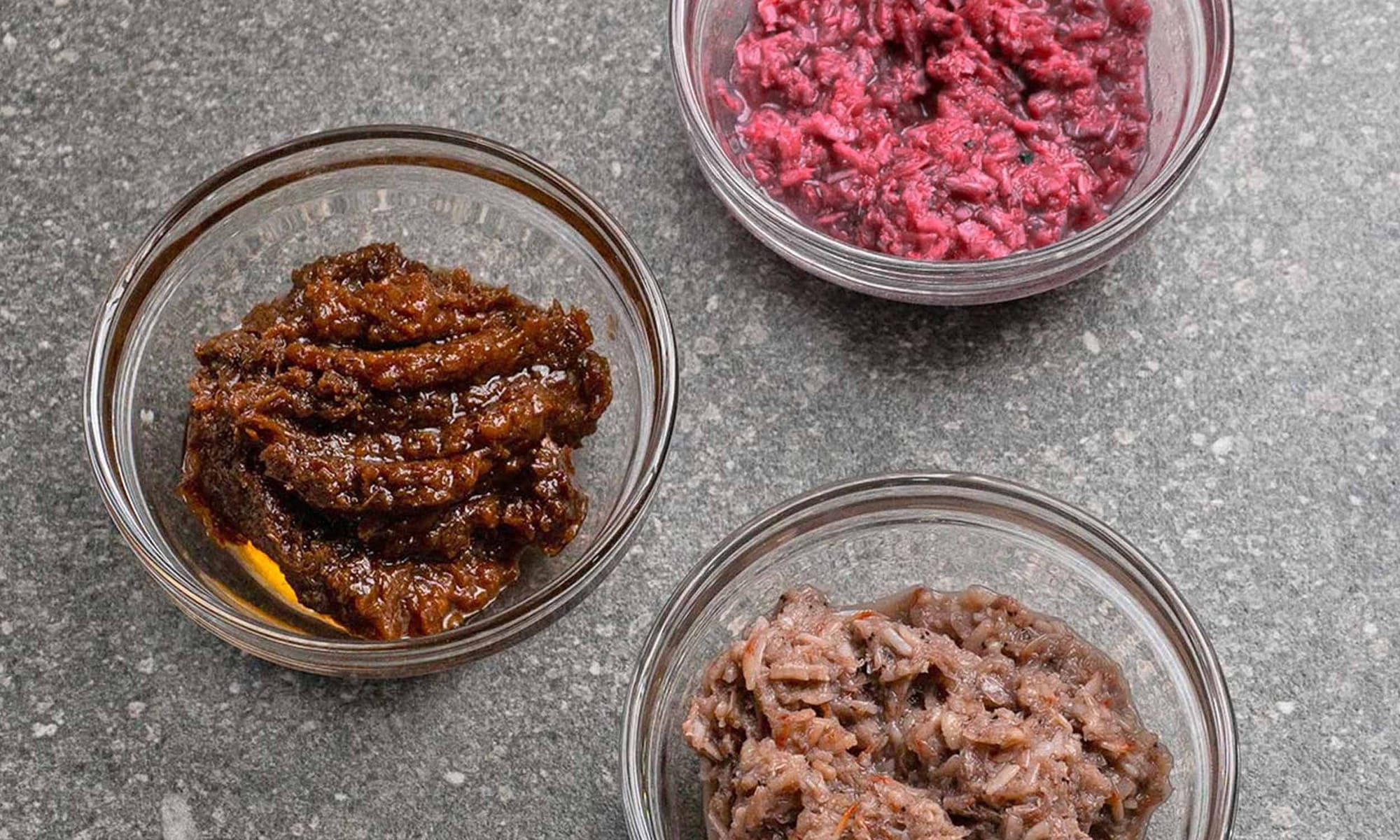
Bagoong (pronounced bago-ong) is type of condiment made from fish or tiny shrimps that are salted and fermented for several weeks.
Bagoong is used in many Filipino dishes, as a flavoring ingredient (in dinengdeng and pinakbet), as an accompanying condiment (with kare-kare or ginisang kangkong) or as a dip (unripe mango dipped in bagoong).
Maliliag
The word maliliag is brought up on the episode of I Love Filipino as a word referring to comfort food; eating or preparing food with endearment.
When I tried to look it up, I couldn't find any clear definitions or explanations, and I can't figure out how it should be used precisely. It must be a bit niche or whimsical in use, but I suppose that makes it more fun to know.
That's all!
A bit random, but I learned a lot of things. I hope to come across some of them when traveling around the Philippines. 🐬🏝️🌋🇵🇭
I noticed the historical entries in this post were mostly about Spanish-colonial history in the Philippines, which feels somewhat unbalanced. I assume there is much to learn about the history of native cultures in the Philippines (which I hope to find when visiting the Anthropological museum Icko added to our travel plans). If I find some time later, I’ll make sure to write about anything I find there.
Post-travel update: we didn’t make it to the Anthropological museum, but I’d love to pay a visit during a later trip. The plan would be to visit Cagayan de Oro (Icko’s home), Camiguig and Bukidnon, but I should spend a couple more days in Manila as well if I go again.